

Parisian Perfection: Unveiling the Allure of a Balcony in Saint-Germain-des-Prés
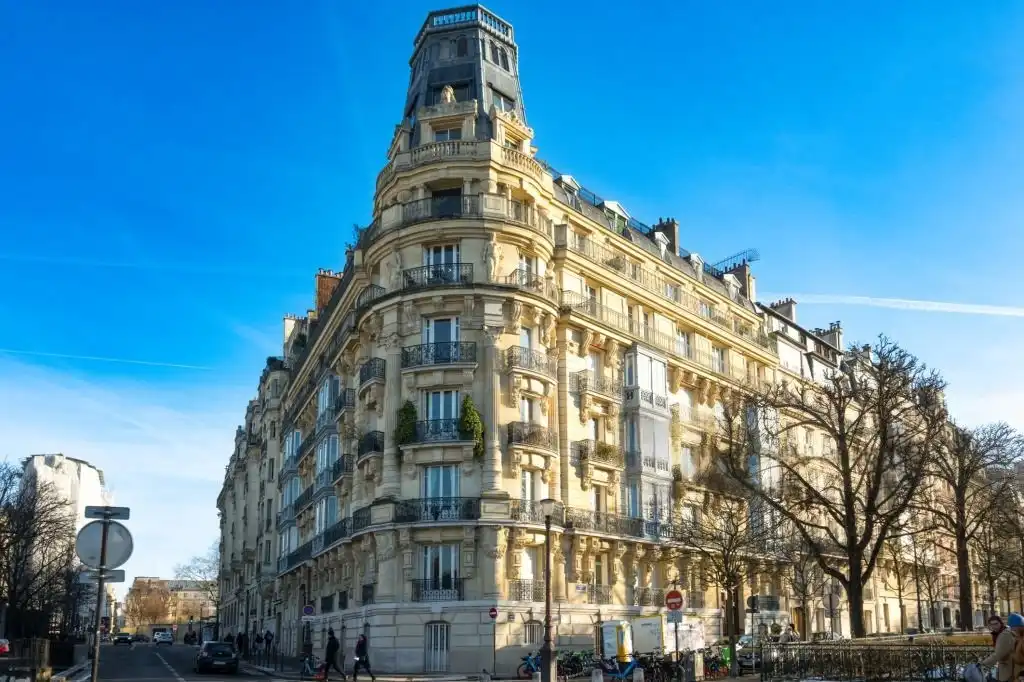
The dream of owning an apartment in Paris often comes with a very specific, sun-drenched vision: sipping coffee on a charming balcony, gazing out at the bustling streets of Saint-Germain-des-Prés. It’s an iconic image, but finding that perfect Parisian pad with outdoor space, especially in a coveted neighborhood like Saint-Germain, can be a nuanced quest. Let’s delve into the world of Parisian balconies and terraces, exploring where to find them, their architectural significance, and the possibilities (and challenges) of creating your own.
The Balcony Blueprint: Which Floors Typically Feature Them?
In the quintessential Haussmannian buildings that define much of central Paris, including Saint-Germain-des-Prés, balconies follow a distinct architectural pattern:
- The Second Floor (Premier Étage Noble): This is often considered the “noble floor” and frequently boasts the most prominent and ornate balconies, typically running the full width of the building. These were historically the grandest apartments, designed for entertaining and showcasing wealth, and the balconies reflected that status. You’ll often find intricate wrought-iron railings and larger depths here.
- The Fifth Floor (Cinquième Étage): Another prime balcony location in Haussmannian architecture is the fifth floor. While often narrower than the second-floor balconies, they still offer that coveted outdoor space and, crucially, tend to provide more expansive views over the city rooftops. The architectural reason for this is often related to the varying building heights and the desire to break up the façade.
- Other Floors: While less common for continuous balconies, some Haussmannian buildings might have smaller, individual “balconettes” on other floors, often just deep enough for a potted plant or a brief stand. These are usually present on the first, third, or fourth floors. Ground floor and top floor (sixth floor chambre de bonne or attic conversions) generally lack traditional balconies, though the top floor may have a small, more private terrace if the roofline allows.
The Hunt for a Balcony in Older Buildings
While Haussmannian buildings are your best bet for the classic Parisian balcony, finding them in even older structures in Saint-Germain-des-Prés is less common. Pre-Haussmannian buildings (17th, 18th, early 19th century) were generally not designed with external balconies as a standard feature. Their facades were typically flat, with windows opening directly onto the street.
If you do encounter an older building with a balcony, it’s often the result of:
- Later Additions: A balcony might have been added during a significant renovation in the late 19th or 20th century, though this is less common and would require careful verification of permits and structural integrity.
- Specific Architectural Styles: Certain architectural styles or individual grand residences might have featured balconies, but these are exceptions rather than the rule in the dense, historic fabric of Saint-Germain.
From Balcony to Terrace: The Holy Grail of Parisian Outdoor Space
While a balcony offers a delightful perch, a terrace provides a more substantial outdoor living area, large enough for a table, chairs, and perhaps even a small garden. These are the true gems of Parisian real estate and are considerably rarer than balconies.
Where to Find More Substantial Terraces in Paris:
- Top Floors (Dernier Étage) and Rooftop Conversions: The most likely place to find a significant terrace is on the top floor of a building, often as part of a converted attic space or a penthouse. These terraces are typically set back from the building’s edge, offering privacy and often panoramic views. However, they are incredibly sought after and command a significant premium.
- Ground Floor with Courtyard Access: While not a traditional “terrace” in the sky, some ground-floor apartments in Paris, particularly those overlooking an inner courtyard, may have access to a private or semi-private outdoor space. These can be surprisingly tranquil retreats from the city bustle.
- Modern Constructions: Newer apartment buildings (mid-20th century onwards) often incorporate terraces into their design, especially on upper floors. While these might lack the historic charm of a Haussmannian, they offer contemporary living with dedicated outdoor areas.
- Buildings on Wider Streets or Avenues: Properties on wider avenues or boulevards, particularly those with less restricted building lines, might have deeper balconies that feel more like terraces.
- Less Dense Arrondissements: While Saint-Germain-des-Prés is dense, you might find slightly more opportunities for larger outdoor spaces in less central or more residential arrondissements (e.g., portions of the 16th, 17th, or some areas in the 14th or 15th that have more modern buildings or individual houses with gardens).
The Dream of Adding a Terrace: A Complex Undertaking
The idea of transforming a balcony into a full-fledged terrace, or even adding a new terrace where none existed, is a romantic one but fraught with technical and legal complexities in Paris:
- Structural Feasibility: This is the paramount concern. Adding significant weight and extending the footprint of a building requires extensive structural analysis by engineers. The existing foundations and facade may not be able to support the additional load.
- Permits and Architectural Review: Paris has stringent planning and heritage regulations. Any exterior modification, especially one as substantial as adding a terrace, requires a building permit (permis de construire) from the Mairie de Paris. This process is rigorous and often involves architectural review to ensure the proposed addition respects the building’s historical character and the overall urban landscape.
- Co-Ownership (Copropriété) Approval: If your apartment is part of a copropriété, you’ll need the unanimous (or a very strong supermajority, depending on the exact nature of the modification) approval of all co-owners at a general assembly. This is often the biggest hurdle, as co-owners may be reluctant due to concerns about aesthetics, noise, shared costs for structural assessments, or precedent.
- Privacy and Views: Neighboring properties might object if a new terrace impacts their privacy or obstructs their views.
- Cost: The financial investment for such a project would be substantial, covering architectural fees, engineering studies, permits, and construction.
In essence, while technically possible in some rare cases, adding a significant terrace to an existing, especially older, Parisian building is an incredibly challenging and expensive endeavor, often requiring a unique set of circumstances (e.g., a standalone building, a very understanding copropriété, and deep pockets).
The Enduring Appeal
Whether a slender balcony for a morning coffee or a sprawling terrace for entertaining, outdoor space in Paris remains a coveted feature. In a city where every square meter is precious, having that connection to the open air, that private vantage point to watch the city come alive, transforms an apartment from mere living space into a truly Parisian dream. When searching for your ideal home in Saint-Germain-des-Prés, a balcony might just be the quintessential detail that elevates your experience from charming to utterly enchanting.
Contact Paris Property Group to learn more about buying or selling property in Paris or to be introduced to a trusted mortgage professional.
Social Cookies
Social Cookies are used to enable you to share pages and content you find interesting throughout the website through third-party social networking or other websites (including, potentially for advertising purposes related to social networking).