

Property Tax in France for Non-Residents: Paris Buyer Guide
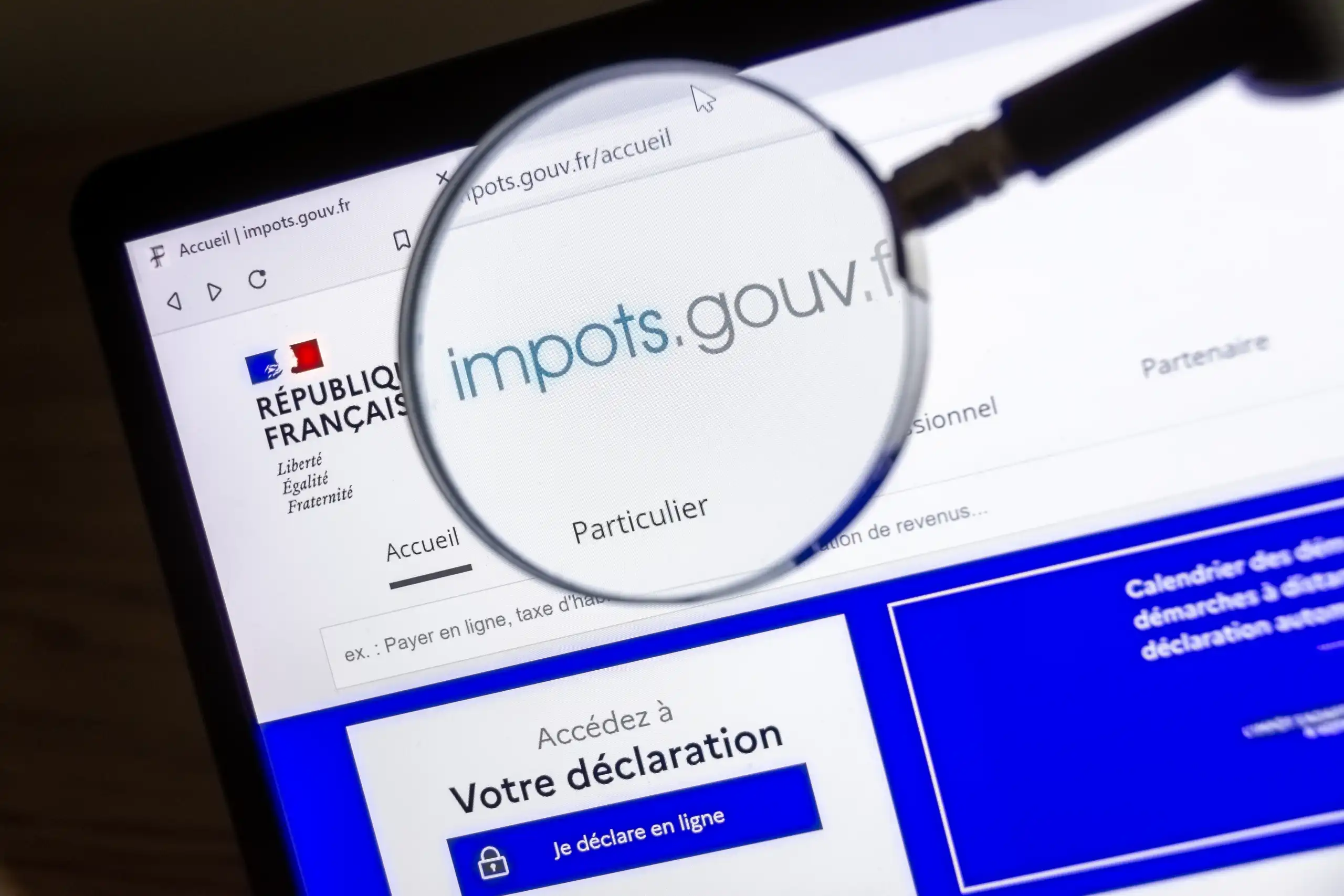
France has a well-earned reputation as a high-tax country, but annual property taxes are a different story. For non-residents buying in Paris, the recurring tax burden is often far lower than what owners pay in many US markets. That is one reason property tax in France for non-residents is less intimidating in practice than many buyers expect.
The key is understanding which taxes actually apply. Most non-resident owners will encounter taxe foncière, and many will also face taxe d’habitation if the property is a second home or investment property. Higher-value buyers may also need to consider IFI, France’s real estate wealth tax.
Below is a practical guide to how French property taxes work, how they are calculated, and what Paris buyers should expect after closing.
Which Property Taxes Apply to Non-Residents in France?
For most non-resident buyers, the main annual taxes are taxe foncière and, in many cases, taxe d’habitation on second homes. Buyers with higher-value French real estate holdings may also need to consider IFI. What surprises many Americans is that these annual taxes are usually calculated from cadastral rental value rather than current market value, which helps explain why the bill is often relatively modest.
How Is Property Tax in France Calculated?
This is where French property tax departs sharply from the US model — and where most American buyers need a moment to recalibrate.
In the United States, property tax is based on the assessed market value of the property, updated periodically to reflect what a home is worth today. France uses an entirely different foundation: the valeur locative cadastrale, or cadastral rental value. This is not what your apartment would rent for today. It is a theoretical rental value assigned by the French tax authorities — originally benchmarked against 1970 rental reference values — and updated since then primarily by annual inflation adjustments.
The French government has acknowledged for years that the system is outdated. A comprehensive overhaul was planned for 2026 but was suspended in late 2025; broader reform is now expected in 2027 or 2028. For 2026, the standard 0.8% inflation-linked adjustment applies.
Here is how the calculation flows for the two main annual taxes:
The Calculation: Step by Step
- Step 1 — Cadastral rental value (valeur locative cadastrale): The tax authority assigns a theoretical annual rental value to your property based on its characteristics: surface area, location, floor, condition, and amenities — all evaluated against that original reference period, not today’s market.
- Step 2 — Apply the reduction (for taxe foncière only): A flat 50% reduction is applied to the cadastral rental value to account for maintenance costs, insurance, and management. This halved figure becomes the taxable base.
- Step 3 — Multiply by the local rate: Each commune votes annually on its own tax rate. Paris sets its own rate, separate from the rest of Île-de-France. This rate is applied to the taxable base from Step 2.
- Step 4 — Your bill: The result is your annual tax. There is no adjustment for inflation in property prices, and no reassessment when a building sells. Two apartments in the same building, on the same floor, can carry different cadastral values — and different tax bills — based on how their individual characteristics were recorded decades ago.
In practice, this means the annual tax you pay is often notably low relative to what you paid for the property. It also means the bill cannot be reliably derived from the purchase price alone.
The Two Main Annual Property Taxes in France: Taxe Foncière and Taxe d’Habitation
French property ownership comes with two recurring local taxes, both rooted in the cadastral rental value system. They apply under different conditions.
Taxe Foncière — the baseline tax every owner pays
The taxe foncière is an annual land and building tax levied on the property owner — not the occupant — regardless of whether the property is rented, vacant, or a seasonal-use pied-à-terre. It applies to every owner in France, resident or not. For most Paris apartments, it runs roughly 0.1% – 0.2% of the purchase price per year, based on the property’s cadastral retal value.
A few mechanics worth knowing:
- January 1st rule: Whoever owns the property on January 1st owes the full year’s tax, even if they sell in February. At closing, the notaire typically apportions the tax between buyer and seller.
- Bills are sent to the correspondence address on the deed of sale — for most international buyers, a US address. Non-residents should arrange mail forwarding or use a property management service to avoid missing the October payment deadline, which triggers a 10% penalty.
- Rates are set locally. Paris sets its own rate, separate from the rest of Île-de-France, and communes vote on adjustments each year.
- New-build exemption: Newly constructed properties are exempt from taxe foncière for the first two years after completion.
Taxe d’Habitation — Still Relevant for Second Homes and Many Non-Resident Owners
As of January 1, 2023, the taxe d’habitation was abolished for primary residences in France. It remains in full effect for second homes, investment properties, and any property that is not the owner’s principal French residence. The calculation follows the same cadastral rental value methodology as the taxe foncière.
Two additional factors affect Paris owners specifically:
- Paris is designated a zone tendue — an area of housing shortage — which allows the city to apply a surcharge on the base taxe d’habitation rate. In practice, even with the surcharge factored in, the annual bill on a typical Paris apartment in a central arrondissement generally runs between €500 and €1,500 per year — still well below what most owners pay in comparable US markets.
- Short-term rental exception: If you rent your property exclusively as a seasonal furnished rental and register with local authorities to pay the Cotisation Foncière des Entreprises (CFE), you may qualify for an exemption from the taxe d’habitation — but not from taxe foncière.
Does IFI Apply to Non-Resident Property Owners in France?
The Impôt sur la Fortune Immobilière (IFI) is France’s annual wealth tax on real estate. It is worth understanding alongside the two property taxes above because, like them, it is a recurring annual obligation — not a one-time cost. For non-residents, only French real estate counts toward the IFI; worldwide assets are excluded.
The tax is triggered when the net value of your French real estate holdings exceeds €1.3 million on January 1st of the tax year. What is counterintuitive is that if the threshold is crossed, the calculation does not begin at €1.3 million — it begins at €800,000. The rate structure is progressive from that point:
IFI Tax Brackets
- Up to €800,000 — 0%
- €800,000 to €1,300,000 — 0.5%
- €1,300,000 to €2,570,000 — 0.7%
- €2,570,000 to €5,000,000 — 1%
- €5,000,000 to €10,000,000 — 1.25%
- Above €10,000,000 — 1.5%
Each rate applies only to the portion of assets within that bracket.
As a practical example: a €1.5 million Paris property with no mortgage would generate an IFI bill of roughly €3,900 per year — 0.5% on the €500,000 between €800K and €1.3M, plus 0.7% on the €200,000 above €1.3M.
The outstanding balance on a French mortgage is deductible from the IFI taxable base, which is one reason many buyers choose to finance even when they could pay cash.
What Happens After Closing: The Tax Transfer Process
One aspect of French property taxes that surprises many new owners is the administrative timeline. Unlike in the US, where a new property tax bill can arrive within months of purchase, the French system operates on a longer clock — and the process is largely automatic.
Here is how it works:
- The notaire registers the sale. Upon signing the acte authentique, the notaire issues certificates of sale to both parties and is legally required to register the deed with the Land Registry (Service de la Publicité Foncière).
- The Land Registry notifies the tax authorities. Once the deed is registered, the Land Registry automatically updates the tax rolls with the new owner’s information. This administrative process typically takes between 12 and 24 months.
- During the transition period, bills may still arrive — initially in the previous owner’s name or sent to the property address. The new owner remains liable for the tax regardless. This is one reason mail forwarding or a property manager is important from day one: you may receive a bill before your name appears in the system, and it still needs to be paid on time.
- Notices arrive in autumn. Once the transfer is reflected in the tax rolls, annual notices arrive by post: the taxe foncière typically in September, the taxe d’habitation in October or November. Statements are sent to the correspondence address on the deed of sale — for most international buyers, that is a US address.
Setting Up Your French Tax Account
Your first paper tax statement is more than a bill — it contains your numéro fiscal, the unique tax identification number you need to create a personal account on the French government’s tax portal at impots.gouv.fr. Once your account is active, you can:
- Pay online or set up automatic direct debit to avoid the 10% late-payment penalty
- Access future notices digitally rather than waiting for post
- Complete the mandatory Déclaration d’Occupation — required by French law to confirm whether the property is for personal use or long-term rental
When Is Property Tax Due in France?
For most owners, taxe foncière notices arrive in the autumn, usually between August and October, and online payment is typically due in October. Taxe d’habitation notices generally follow later in the season. Because non-residents often receive notices by post at a correspondence address, setting up an online tax account or direct debit is one of the simplest ways to avoid missed deadlines and penalties.
Frequently Asked Questions
Do non-residents pay higher property taxes in France than residents?
The calculation method for taxe foncière and taxe d’habitation is identical for residents and non-residents. The practical difference is that the taxe d’habitation — abolished for primary residences in 2023 — still applies to any property that is not the owner’s principal French residence, including second homes, investment properties, and pied-à-terre.
What property taxes apply to a second home in France?
In most cases, a second-home owner will pay taxe foncière and may also owe taxe d’habitation. In Paris, the latter can be more relevant for non-resident owners because the property is not their principal French residence.
If I finance my Paris purchase, does the mortgage reduce my IFI exposure?
Yes. For IFI purposes, the outstanding mortgage balance is deductible from the taxable real estate value. This is not a strategy limited to buyers right at the €1.3M threshold. A buyer purchasing at €2M or more who finances a substantial portion can bring the net taxable base below €1.3M — avoiding the IFI entirely for much of the mortgage term.
When is the taxe foncière due?
Tax notices are sent between August and October each year. The online payment deadline is typically October 20th. Late payment incurs a 10% penalty. Non-residents should set up direct debit through the French tax portal (impots.gouv.fr) or use a property manager to ensure timely payment.
How often do you pay property tax in France?
These taxes are annual. Owners typically receive one yearly notice for taxe foncière, and if applicable, one yearly notice for taxe d’habitation.
Paris Property Group advises international buyers navigating every stage of the Paris purchase process, from search strategy to financing and ownership planning. Contact us to discuss your search and how we can help.
This article is intended for informational purposes only and does not constitute tax or legal advice. Tax rules change; consult a qualified French tax advisor for guidance specific to your situation.
Social Cookies
Social Cookies are used to enable you to share pages and content you find interesting throughout the website through third-party social networking or other websites (including, potentially for advertising purposes related to social networking).