

Paris Crime Rate: What Buyers Should Know About Safety by Arrondissement
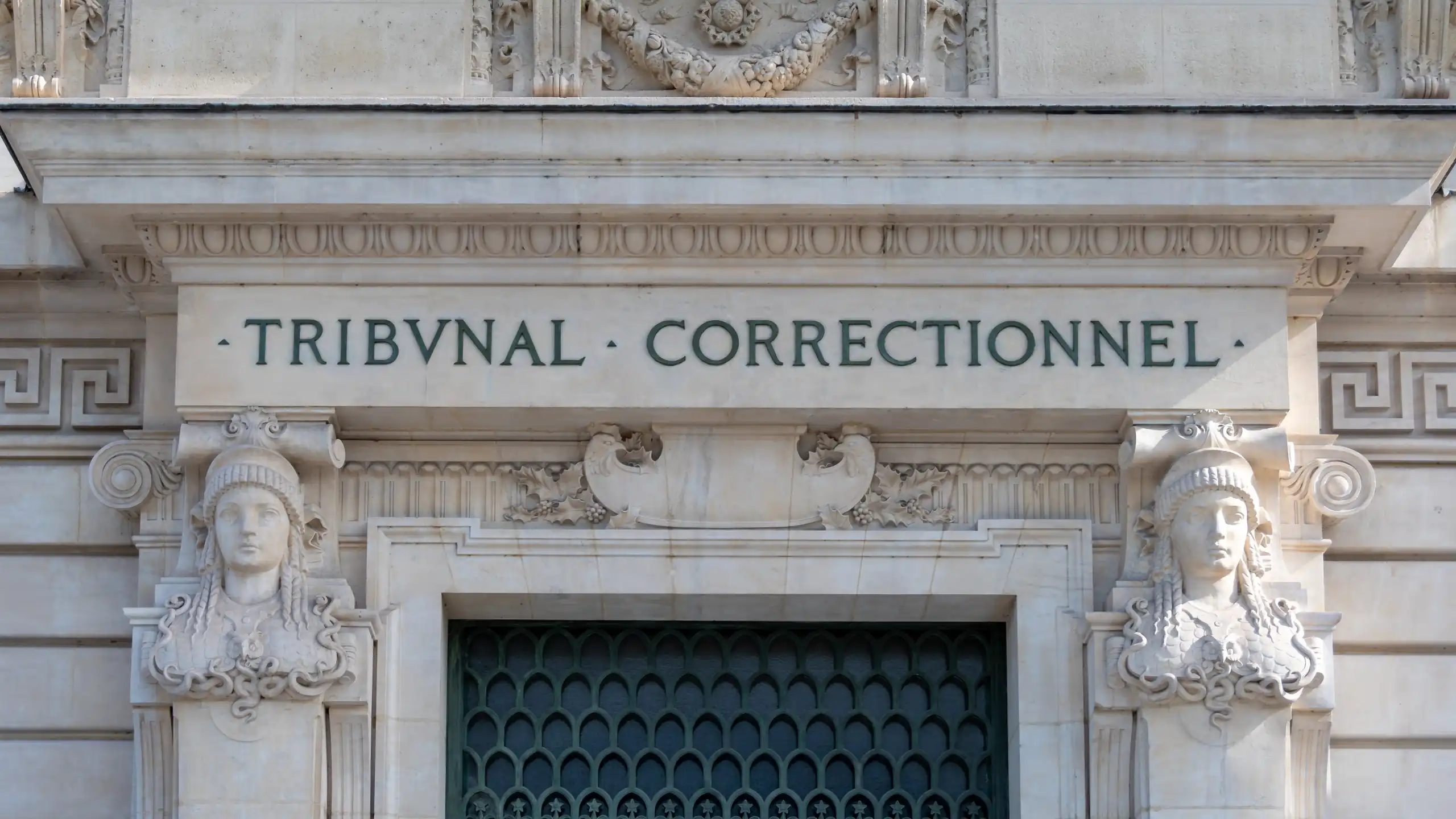
Is Paris safe for residents and international buyers? The short answer is yes — with important nuances. Paris crime is concentrated in high-tourism corridors and transit hubs, typically not the residential arrondissements where most international buyers purchase. This guide breaks down the data by district so you can make a genuinely informed decision.
How Safe Is Paris Compared to Other Major Cities?
Paris compares favourably within its peer group of major European capitals, although crime levels vary significantly by category. According to the French Ministry of the Interior’s statistical service (SSMSI), Paris recorded approximately 230,500 registered crimes and offences in 2025, equivalent to about 110 incidents per 1,000 inhabitants based on a population of approximately 2.1 million. The figures come from the SSMSI’s 2025 communal crime database, published on March 26, 2026. These statistics reflect incidents recorded by the police and gendarmerie and should not be interpreted as representing all crime that occurs, since not all incidents are reported.
Methodology: SSMSI statistics measure crimes and offences recorded by the French police and gendarmerie. They do not capture every incident that occurs, including incidents that are not reported to authorities, and therefore should not be interpreted as a complete measure of every resident’s or visitor’s personal experience of safety.
That figure sounds high, but the composition matters as much as the total. The dominant crime category in Paris is non-violent theft — pickpocketing, bag-snatching, and opportunistic property theft concentrated in tourist areas. Violent crime, which most directly shapes quality of life for residents, is considerably lower. Paris’s intentional homicide rate has remained well below 1.5 per 100,000 inhabitants in recent years, broadly in line with other Western European capitals.
The U.S. State Department classifies France under “Exercise Normal Precautions” — the same standard advisory level applied to Germany and Japan.
What Types of Crime Are Most Common in Paris?
Breaking the data down by category gives a clearer picture than the headline rate. Per SSMSI 2024 figures:
- Non-violent theft against individuals — approximately 99,110 cases, or roughly 47 per 1,000 inhabitants. This is the dominant category and is almost entirely concentrated in high-tourism areas: the Eiffel Tower, the Louvre, Sacré-Cœur, the Champs-Élysées, and major transit hubs including Gare du Nord and the RER lines.
- Residential burglary — down 22.9% between 2023 and 2024. Break-ins within Paris proper fell 21% over the same period.
- Auto theft and vehicle accessory theft — lower in central arrondissements; more prevalent in outer districts and suburbs.
- Deliberate property damage — fell 11% across the greater Paris area in 2024.
Several serious property crime categories improved materially in 2024. The Government credited the reinforced police presence with a 24% reduction in theft with violence during the Games period — and a meaningful portion of that improvement has persisted.
Why Tourist Areas Show the Highest Crime Rates — Even If They Are Safe to Live In
One of the most misread features of Paris crime statistics is the outsized rate recorded in the 1st and 2nd arrondissements — two of the city’s most central and historically prestigious neighbourhoods. The 1st records non-violent theft rates more than 300 points per 1,000 inhabitants above the Paris average, according to SSMSI’s municipal-level analysis.
This does not reflect the experience of residents. It reflects the density of tourists, the volume of daily foot traffic, and the concentration of professional pickpockets targeting visitors specifically. For property buyers, the relevant metrics are residential burglary rates, after-dark street safety, and the overall character of street life — all of which tell a very different story.
Is Paris Safe to Live in: Paris Crime by Arrondissement and Type
The French Ministry of the Interior publishes annual crime statistics by arrondissement, and the pattern is consistent. Below is a district-by-district breakdown covering the arrondissements most relevant to international buyers.
1st Arrondissement (Louvre, Palais Royal)
The statistics look alarming on paper: the 1st records non-violent theft rates more than 300 points per 1,000 inhabitants above the Paris average, driven entirely by tourist volume at the Louvre, Tuileries, and Palais Royal. For residents — a relatively small population in this heavily visited district — day-to-day life is calm and well-patrolled. Buyers should weigh the tourist-heavy character of the area rather than the raw theft numbers.
2nd Arrondissement (Bourse, Sentier)
A similar dynamic to the 1st: high recorded theft per capita reflecting foot traffic through the dense retail and restaurant corridor in Sentier. Residential burglary rates are more moderate. The 2nd has been undergoing steady residential transformation, attracting younger buyers priced out of the 3rd and 4th.
3rd Arrondissement (Le Marais — Upper)
The 3rd records elevated non-violent theft tied to heavy weekend tourism and a dense concentration of boutiques, galleries, and cafés. The residential streets away from the main commercial axes are generally considered safe and popular with families and international buyers. These are among the most sought-after addresses in Paris for pied-à-terre buyers specifically — quieter upper 3rd Arrondissement.
4th Arrondissement (Le Marais — Lower, Île de la Cité)
The 4th mirrors the 3rd in profile. Elevated non-violent theft in tourist-heavy zones; calmer residential streets that consistently attract families and international buyers. The combination of the 3rd and 4th form one of the most desirable buyer destinations in Paris.
5th Arrondissement (Latin Quarter)
The Latin Quarter’s university population and tourism traffic generate moderate theft statistics. The residential blocks east of the Panthéon and into the lower 5th are quieter in character and have a stable, long-term resident profile — a more settled feel than the dense western part of the district.
6th Arrondissement (Saint-Germain-des-Prés)
One of the safest central arrondissements. Well-policed, densely residential, and well-lit. The active year-round street life in the 6th acts as a natural deterrent — the neighbourhood does not empty out after dark the way some tourist-heavy areas do. Burglary rates have run slightly higher than the 7th in some years, a detail worth noting for building security decisions, but overall the 6th is among the most consistently low-risk environments in Paris for owners.
7th Arrondissement (Invalides, Eiffel Tower District)
The 7th is home to roughly 30 foreign embassies and multiple government ministries, and benefits from an enhanced security presence that is a direct function of its institutional character. Violent theft rates are among the lowest in Paris. The area immediately surrounding the Eiffel Tower is a known target for pickpockets, but that is a tourist-visitor issue, not a residential one. For buyers, the 7th consistently ranks at the top of safety assessments for long-term residents.
8th Arrondissement (Champs-Élysées, Triangle d’Or)
The Champs-Élysées corridor records elevated theft statistics — the rate along that avenue runs approximately 120 points per 1,000 inhabitants above the Paris average — but this is a function of the street’s tourist volume and nightlife density. The residential streets of the 8th, particularly in the Triangle d’Or and toward Parc Monceau, are among the most secure addresses in the city. Buyers should distinguish between the boulevard and the surrounding neighbourhood when assessing safety.
9th Arrondissement (Opéra, Pigalle)
A district of contrasts. The southern 9th around the Opéra Garnier and the grands magasins is commercial and heavily touristed, with corresponding theft rates. The northern sections bordering Pigalle require more care at night. The residential streets of the 9th, particularly those toward the 17th border, are considerably calmer and have attracted a growing population of younger buyers and families over the past decade.
10th Arrondissement (République, Gare du Nord)
The Gare du Nord station area is consistently flagged for pickpocketing, fraud, and opportunistic street crime — one of the more active transit crime environments in the city. This characterisation applies to the immediate station surroundings, not the full arrondissement. The Canal Saint-Martin corridor and the residential streets toward République have a markedly different character and have become established destinations for buyers seeking value within the périphérique.
11th Arrondissement (Bastille, Oberkampf)
The 11th has moderate crime statistics for Paris, with some concentration around the Bastille plaza and the nightlife streets of Oberkampf. For buyers, the residential streets off these axes are generally considered safe during the day and manageable at night, with the caveats typical of any dense urban entertainment district.
15th Arrondissement (Vaugirard, Montparnasse)
The largest arrondissement by population, and one of the lowest-crime in the city for residents. Mostly residential in character, calm, and local in feel. The 15th does not attract the tourist volume that inflates crime statistics elsewhere. Consistently recommended for buyers prioritising day-to-day quiet over central prestige.
16th Arrondissement (Passy, Auteuil, Trocadéro)
Consistently among the lowest-crime arrondissements in Paris. Lower density than most of the city, with a highly private residential feel and a strong tradition of attracting families, diplomatic households, and long-term international residents. The International School of Paris is located here, making it a natural anchor for relocating families. Note: the Bois de Boulogne borders this district and should be avoided after dark.
17th Arrondissement (Batignolles, Monceau)
A district of two distinct halves. The southern sections near Parc Monceau rank well on crime metrics and share the quiet residential character of the adjacent 8th and 16th. The northern sections toward Porte de Clichy require more nuanced assessment and targeted due diligence. For buyers, specifying which part of the 17th is as important as the arrondissement number itself.
What Are the Safest Arrondissements in Paris for Long-Term Residents?
Based on consistent SSMSI data across multiple years, the arrondissements that record the lowest crime rates for residents are:
- 7th — lowest violent theft rates; embassy and ministry security presence
- 6th — very low overall; active street life deters crime
- 14th — lowest recorded violent theft across the full city, per SSMSI
- 15th — largest arrondissement, lowest tourist-crime inflation
- 16th — private, low-density, diplomatically anchored
“Crime data in Paris is tracked by arrondissement, but it can vary quite a bit from one quartier to the next within the same district. When we’re advising clients on safety, we’re always looking at the specific blocks — not just the arrondissement number.” — Miranda Junowicz, Founder, Paris Property Group
What Should Pied-à-Terre Buyers Consider About Safety in Paris?
A pied-à-terre purchase introduces a specific set of safety considerations that differ from a primary residence. The property will sit unoccupied for extended periods, which changes the risk profile and requires targeted planning.
Four variables that matter most for pied-à-terre buyers:
- Gardien presence — A Haussmann-era building with a live-in gardien (concierge) provides daily passive surveillance that no alarm system fully replaces. The gardien knows the residents, notices unfamiliar faces, and provides a deterrent presence. Very few buildings retain a live-in gardien, so buildings that do carry a meaningful security premium.
- Floor level — Ground-floor apartments carry higher burglary risk than upper floors. This is directly reflected in French property insurance pricing. Buyers looking at lower floors in any arrondissement should factor in the cost and feasibility of reinforced shutters, secured window frames, and multi-point locking systems.
- Insurance vacancy clauses — French law requires all property owners to carry insurance covering the property and its contents. Annual premiums for Paris apartments typically run €500 to €600. For pied-à-terre buyers, it is worth confirming that the policy covers extended vacancy periods — some policies include occupancy clauses that affect coverage if the property is unoccupied beyond a specified number of consecutive days.
- Property management — For buyers who are not in Paris regularly, a property manager or caretaking service provides regular visits, handles mail accumulation (a visible vacancy signal), manages tradesperson access, and monitors the apartment between stays. Paris Property Group’s caretaking services are designed specifically for this use case.
Key Takeaways: Paris Crime Rate for International Buyers
- Paris crime data is heavily influenced by tourist-area pickpocketing, which inflates overall statistics without reflecting residential risk.
- Residential burglaries declined nearly 23% in Paris between 2023 and 2024 per SSMSI data.
- The 7th, 6th, 14th, 15th, and 16th arrondissements consistently record the lowest crime rates for long-term residents.
- High recorded theft in the 1st, 2nd, and 8th arrondissements reflects tourist foot traffic, not residential risk — a critical distinction for buyers.
- The 18th (northern sections), 19th, and 20th arrondissements, along with Seine-Saint-Denis suburbs, require more caution and targeted due diligence.
- Building-level security features — gardien presence, floor level, window reinforcement — matter as much as district-level statistics for any specific property.
“Safety and quality of life are inseparable from location in Paris. The neighbourhoods where properties hold their value over time — and where our clients find the most satisfaction as owners — tend to be the same neighbourhoods where residents feel comfortable walking home at midnight. That’s not a coincidence.” — Miranda Junowicz, Founder, Paris Property Group
Frequently Asked Questions: Paris Crime Rate and Safety
Is Paris safe to live in?
Yes, for residents in most arrondissements. Paris’s overall crime rate is elevated by tourist-area pickpocketing concentrated in a handful of high-traffic districts. The residential neighbourhoods where most international buyers purchase — particularly the 6th, 7th, 15th, and 16th — have crime profiles comparable to affluent neighbourhoods in any major Western European city. The U.S. State Department classifies France under “Exercise Normal Precautions,” its standard advisory level for countries like Germany and Japan.
Which arrondissement has the lowest crime rate in Paris?
Among arrondissements most relevant to property buyers, the 7th consistently records the lowest rates of violent theft, supported by the presence of roughly 30 foreign embassies and multiple government ministries. The 14th (Montparnasse) records the lowest rate of violent theft across the full city. The 15th and 16th also rank among the lowest for residential crime. The 6th ranks well overall, though its burglary rate has run slightly higher than the 7th in some years.
Is Paris safe at night?
Yes, in most residential arrondissements. The 6th, 7th, 8th (residential streets), 15th, and 16th are all considered safe after dark, with active street life and good lighting. Areas to be more cautious at night include the lower 18th (toward Barbès), the Gare du Nord surroundings, and the northern sections of the 19th and 20th.
What is the most common crime in Paris?
Non-violent theft. According to French Ministry of the Interior (SSMSI) data, approximately 99,110 non-violent theft incidents were recorded in Paris in 2024, concentrated in tourist areas and transit hubs. Pickpocketing at the Eiffel Tower, the Louvre, Sacré-Cœur, and on the RER lines is the dominant issue facing visitors. Violent crime rates are considerably lower and broadly in line with other major Western European capitals.
Has Paris crime increased or decreased recently?
The trend is downward for serious property crime. Residential burglaries in Paris fell nearly 23% between 2023 and 2024 per SSMSI. Deliberate property damage dropped 11%. The 2024 Olympic Games accelerated these improvements through reinforced policing, and French authorities have maintained a meaningful portion of that enhanced presence.
What should pied-à-terre buyers know about Paris safety?
The most important factors are: whether the building has a live-in gardien who provides passive daily surveillance; which floor the apartment is on (ground and first floors carry meaningfully higher burglary risk); whether the homeowner’s insurance policy covers extended vacancy periods; and whether a property manager visits regularly between stays to maintain a visible presence and manage the apartment.
Paris Property Group works with international buyers to navigate the Paris market, from neighbourhood due diligence to closing. Contact us to discuss your search.
Social Cookies
Social Cookies are used to enable you to share pages and content you find interesting throughout the website through third-party social networking or other websites (including, potentially for advertising purposes related to social networking).