

Haussmannian Buildings: The Signature Architecture of Paris
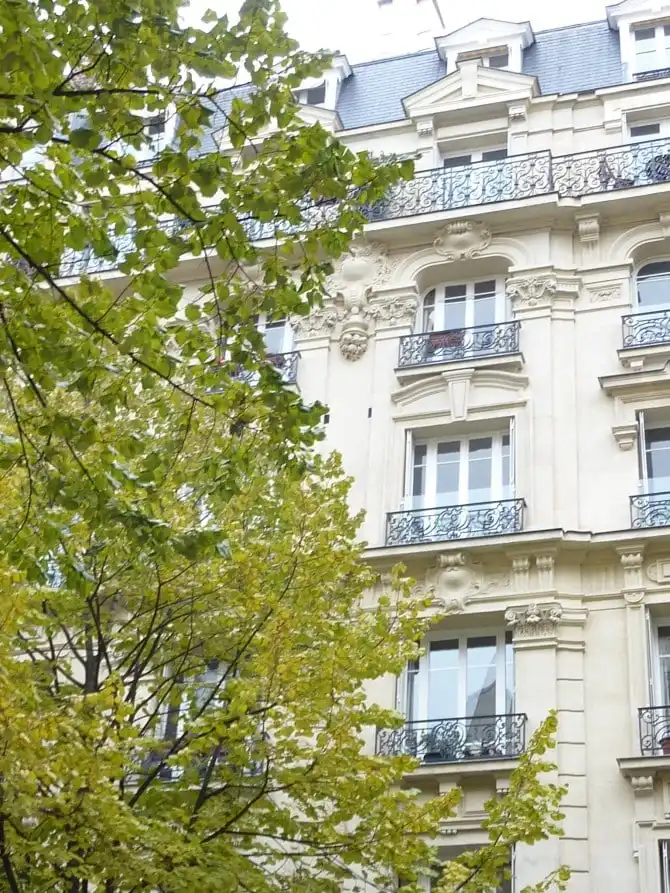
The way Paris looks today—a city that feels both like a living museum and a global leader in urban sustainability—owes its soul to Baron Georges-Eugène Haussmann. As the Prefect of the Seine in the mid-19th century, his radical vision carved the long, straight boulevards and elegant ashlar façades we recognize today out of a chaotic maze of medieval alleyways.
In early 2026, Haussmannian real estate remains the gold standard of Parisian living, though the conversation has shifted. It’s no longer just about the “noble” second floor; it’s about how these 19th-century masterpieces are being retrofitted for a carbon-neutral future.
The Grand Vision: Why Paris Looks This Way
Commissioned by Napoleon III, the ambitious program of works started in 1853. Today, these buildings house roughly 60% of the city’s residents. Haussmann didn’t just design buildings; he designed a lifestyle. He established a strict ratio between building height and street width, ensuring that even the narrowest sidewalks received daylight—a feature that remains a major selling point in 2026 as the city prioritizes “bioclimatic” living.
Anatomy of a Haussmannian Building
Haussmannian buildings are constructed of massive cut stone blocks. In 2026, the traditional floor-by-floor hierarchy still dictates market value, though with modern twists:
- Ground Floor & Entresol: Originally for shops and storage; now highly coveted for sleek co-working spaces or art galleries.
- The Second Floor (Étage Noble): The crown jewel. With the highest ceilings and the most elaborate wrought-iron balconies, these remain the most expensive per square meter.
- Third & Fourth Floors: Historically more modest, these are now the favorites for “hybrid” living, offering classic aesthetics with slightly more manageable heating costs.
- The Fifth Floor: Famous for its long, continuous balcony that offers a panoramic view of the skyline.
- The Top Floor (Chambre de Bonne): Once the maid’s rooms, these have undergone a 2026 revolution. Thanks to the latest DPE (Energy Performance) regulations, many have been combined into stunning, high-efficiency luxury penthouses.
💡 Local Pro-Tip: The “DPE” Advantage
In 2026, never buy or rent a Haussmannian without checking its DPE rating. New regulations have made poorly insulated “G-rated” apartments harder to rent out. Look for units that have already undergone “eco-retrofitting”—specifically high-performance wooden double-glazing—which preserves the original crémone bolts while slashing your heating bill.
The 2026 Interior: Classic Meets Tech
While the exterior remains frozen in 1860, the interiors are anything but. The modern Parisian apartment (typically 200 to 300 m²) still features the “holy trinity” of French design:
- Herringbone Parquet: Often restored with eco-friendly matte waxes.
- Ornate Moldings: Now frequently paired with “invisible” smart home systems (domotique).
- Marble Fireplaces: In 2026, these are rarely used for wood but are often fitted with high-end bio-ethanol inserts for ambiance without the emissions.
Where to Find Them
You’ll find Haussmannian buildings throughout Paris, but the market is particularly vibrant in the 8th, 16th, and 17th Arrondissements. For a more “trendy” 2026 vibe, the Haussmannian blocks in the 10th and 11th are seeing a surge in value as they are integrated into the city’s new “green corridors.”
Contact Paris Property Group to learn more about buying or selling property in Paris.
Social Cookies
Social Cookies are used to enable you to share pages and content you find interesting throughout the website through third-party social networking or other websites (including, potentially for advertising purposes related to social networking).